
BACK
Beyond DNA: Unlocking the Epigenetic Blueprint of Health and Disease
27/08/2025
1 year ago
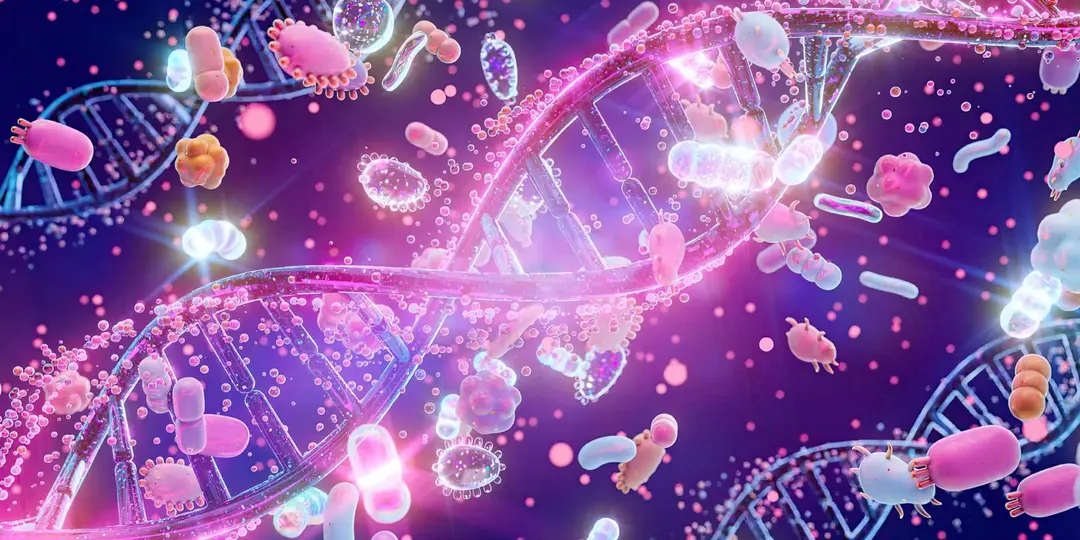
The concept of epigenetics has evolved significantly since it was first introduced in 1942 by British biologist Conrad H. Waddington. The term is derived from the words “epi” and “genetics”. The term “epi” refers to “above” or “on top of” while the term “genetics” refers to the study of genes.
Conceptually it indicates factors above genetics that can interact with one’s environment to cause phenotypic plasticity enabling organisms to adapt to environmental changes. Mechanistically, covalent modifications of either DNA or histone were initially identified as the mediators of this regulation.
Today, in a broader context, DNA and histone modifications, chromatin accessibility, 3D chromatin organization, and regulation of gene expression via non-coding RNAs are all recognized to influence how genes are turned on or off and represent the epigenetic state of a cell.
In humans, unlike genetic changes, epigenetic modifications are typically not passed from one generation to the next. This is largely due to the extensive erasure of epigenetic marks at various stages of sexual reproduction. However, emerging evidence suggests that environmental exposures experienced by the parental generation can influence future generations, at least in part, through epigenetic mechanisms. This phenomenon remains a challenging yet fascinating area of research, with potentially far-reaching implications for understanding inheritance and disease risk.
Types of Epigenetic Modifications
The main types of epigenetic modifications that regulate gene expression without changing the DNA sequence are:
DNA Methylation – It is the addition of a methyl group to cytosine bases in DNA. It often leads to gene silencing by preventing the transcription of the gene.
Histone Modifications – DNA is wrapped around proteins called histones. Chemical changes to these histones can either loosen or tighten the DNA-histone structure. This affects how easily genes can be accessed by transcription factors and expressed.
Chromatin Remodeling – Chromatin refers to the complex of DNA and histone proteins in the nucleus. Chromatin remodeling involves structural changes to chromatin, making specific regions of DNA more or less accessible for transcription. This process plays a key role in regulating gene activity over long distances across the chromosome.
Non-Coding RNA Regulation – It involves small RNA molecules, such as microRNAs and long non-coding RNAs, that control gene expression after transcription, and influence chromatin structure.
Together, these mechanisms form a dynamic system that enables cells to respond to internal and external signals, contributing to everything from normal growth and development to disease processes.
Role of Epigenetic Regulation
Epigenetic regulation plays a critical role in both normal development and the progression of various metabolic diseases. All (non-germline) cells in an individual contain the exact same DNA; however, regulatory mechanisms, including epigenetic modifications, give rise to cell type-specific gene expression patterns creating cellular identity. Disruptions in these regulatory processes often lead to various disease conditions.
These modifications have broad effects on biological processes and are key players in:
• Developmental Regulation: Epigenetics guides cells to differentiate into the correct types by controlling which genes are active at the right time and at the right place.
• Environmental Gene Control: Epigenetics allows organisms to quickly adjust their gene activity in response to environmental changes, such as temperature, nutrition, or stress.
• Epigenetic Disorders: Abnormal epigenetic changes are linked to many diseases, including cancer brain disorders and immune and metabolic diseases.
Understanding epigenetic regulation offers promising insights into disease mechanisms and potential new treatments, emphasizing the complex interplay between our genes, environment, and health.
Effect of Epigenetic Modifications on Diseases
Epigenetic modifications play a key role in the development and progression of various diseases. In cancer, hypermethylation of the TP53 gene promoter can silence its expression, removing a key brake, leading to uncontrolled cell growth.
In brain disorders like Alzheimer’s and Parkinson’s, altered histone modifications such as increased H3K27ac and H3K9ac contribute to neurodegeneration. In Alzheimer’s, elevated acetylation at the BACE1 and APP promoters enhances amyloid-beta production, while reduced SIRT1 activity promotes hyperacetylation and inflammation, leading to the formation of amyloid plaques and death of neurons. In Parkinson’s, increased H3K4me3 at the SNCA gene promoter leads to overexpression of α-synuclein, promoting toxic protein aggregation. These epigenetic changes impair neuronal survival, mitochondrial function, and synaptic integrity, driving disease progression.
Cardiovascular diseases arise from abnormal DNA methylation and histone changes affecting vascular smooth muscle cells, while similar epigenetic alterations in pancreatic beta cells impair insulin production, influencing type 2 diabetes. In immune disorders, DNA methylation changes in the FOXP3 gene disrupt regulatory T cell function, playing a role in autoimmune diseases like multiple sclerosis.
Understanding how epigenetic modifications contribute to various diseases offers promising avenues for diagnosis, prevention, and targeted therapies.
Challenges
One of the main challenges in understanding epigenetic regulation arises from its dynamic and multifactorial nature. The epigenetic state of a cell is highly dynamic, changing even across different stages of the cell cycle.
Additionally, no single factor such as DNA methylation alone is typically sufficient to drive specific changes in gene expression. Instead, it is the combined influence of DNA methylation, histone modifications, and chromatin organization that produces the observed effects on gene regulation.
This combinatorial complexity, along with the fluidic nature of epigenetic marks, makes it difficult to map and establish causal relationships between specific epigenetic states and resulting cellular phenotypes.
Clinical Applications of Epigenetics in Metabolic Diseases and Cancer
Given the disease relevance, monitoring epigenetic abnormalities can aid in early disease detection and also serve as a therapeutic strategy, especially since many epigenetic changes are reversible.
Epigenetic Biomarkers
Epigenetic biomarkers are important indicators for detecting and predicting metabolic diseases early. One common type is DNA methylation, where certain changes can signal the risk of diseases like type 2 diabetes (T2D), obesity, and liver problems. Similarly, MGMT (O6-methylguanine-DNA methyltransferase) promoter methylation is a prognostic and predictive marker of glioblastoma. Small RNA molecules referred to as microRNAs (miRNAs) found in the blood are also promising biomarkers for many diseases. They are stable and easy to measure, making them useful for tracking diseases like diabetes, obesity, and kidney disease.
Epigenetic Therapy
Epigenetic therapy alters impaired epigenetic modifications to treat diseases without changing DNA. It holds promises for conditions like cancer and metabolic disorders and is an emerging area of medicine. Broad-spectrum epigenetic drugs, such as DNA methyltransferase (DNMT) inhibitors and histone deacetylase (HDAC) inhibitors, have shown promising potential to reprogram cancer cells and inhibit their proliferation. Meanwhile, targeted epigenetic therapies are still under exploration, aiming for precise correction of disease-associated gene expression without affecting normal cellular function. Several drugs targeting chromatin modification are in clinical trials for the treatment of cancer. Researchers are working to develop safe and effective epigenetic drugs that could offer new options for patients in the future.
Conclusion
Epigenetics has significantly reshaped our understanding of gene regulation, revealing that gene function is not solely determined by DNA sequences but also by reversible, heritable modifications influenced by environment, behavior, and disease. This dynamic layer of control plays a critical role in development, cellular differentiation, and disease progression.
Today, the potential of epigenetics extends far beyond basic biology. Recent advancements in techniques for detecting epigenetic features at the level of specific cell types, or even in single cells have opened new possibilities for exploring this regulatory layer as a source of biomarkers and therapeutic targets and also researchers now have advanced methodologies to explore the epigenetic landscape at a higher resolution.
Since epigenetic modifications are reversible and do not involve permanent genetic changes, they offer a promising avenue to fine-tune treatments, enhancing therapeutic efficacy while minimizing off-target effects.
Furthermore, the integration of artificial intelligence and machine learning is revolutionizing how we analyze and interpret large-scale epigenetic data, accelerating the discovery of biomarkers and therapeutic targets.
As the field continues to evolve, epigenetics holds immense promise to transform modern medicine from early disease detection and risk assessment to personalized treatment strategies. With deeper insights and more powerful technologies, we are moving toward a future of precision, predictive, and patient-centered healthcare driven by the language of the epigenome.
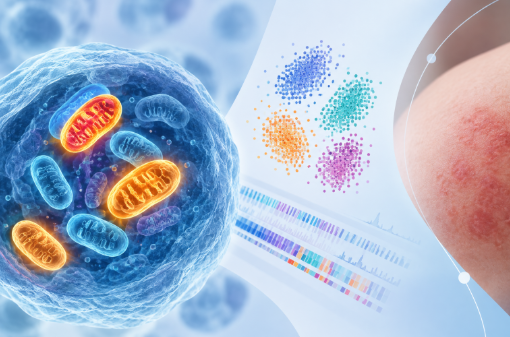
At ThinkBio.Ai, we utilize our deep expertise in epigenomics and machine learning models to analyze the complex epigenetic signatures underlying disease states.

Build the future of
biology with us
Contact Us
Stay Ahead with
ThinkBio.Ai®
Subscribe to our newsletter to receive the latest updates on products, sustainability efforts and services.