BACK
The Missing Link Between Drug Discovery and Precision Medicine: How AI Is Transforming Translational Research
09/07/2026
2 months ago
Biomedical research is advancing at an unprecedented pace. From genomics and multi-omics technologies to artificial intelligence (AI), researchers today have access to powerful tools that are accelerating scientific discovery and expanding our understanding of complex diseases.
Yet, despite these advancements, turning promising research into treatments that improve patient outcomes remains one of healthcare’s greatest challenges.
This disconnect, often referred to as the translational gap, represents the difficulty of moving discoveries from the laboratory into routine clinical practice. The journey from identifying a potential therapeutic target to delivering a safe and effective treatment is long, complex, and frequently slowed by fragmented data, disconnected research workflows, and the challenge of integrating diverse sources of biomedical evidence.
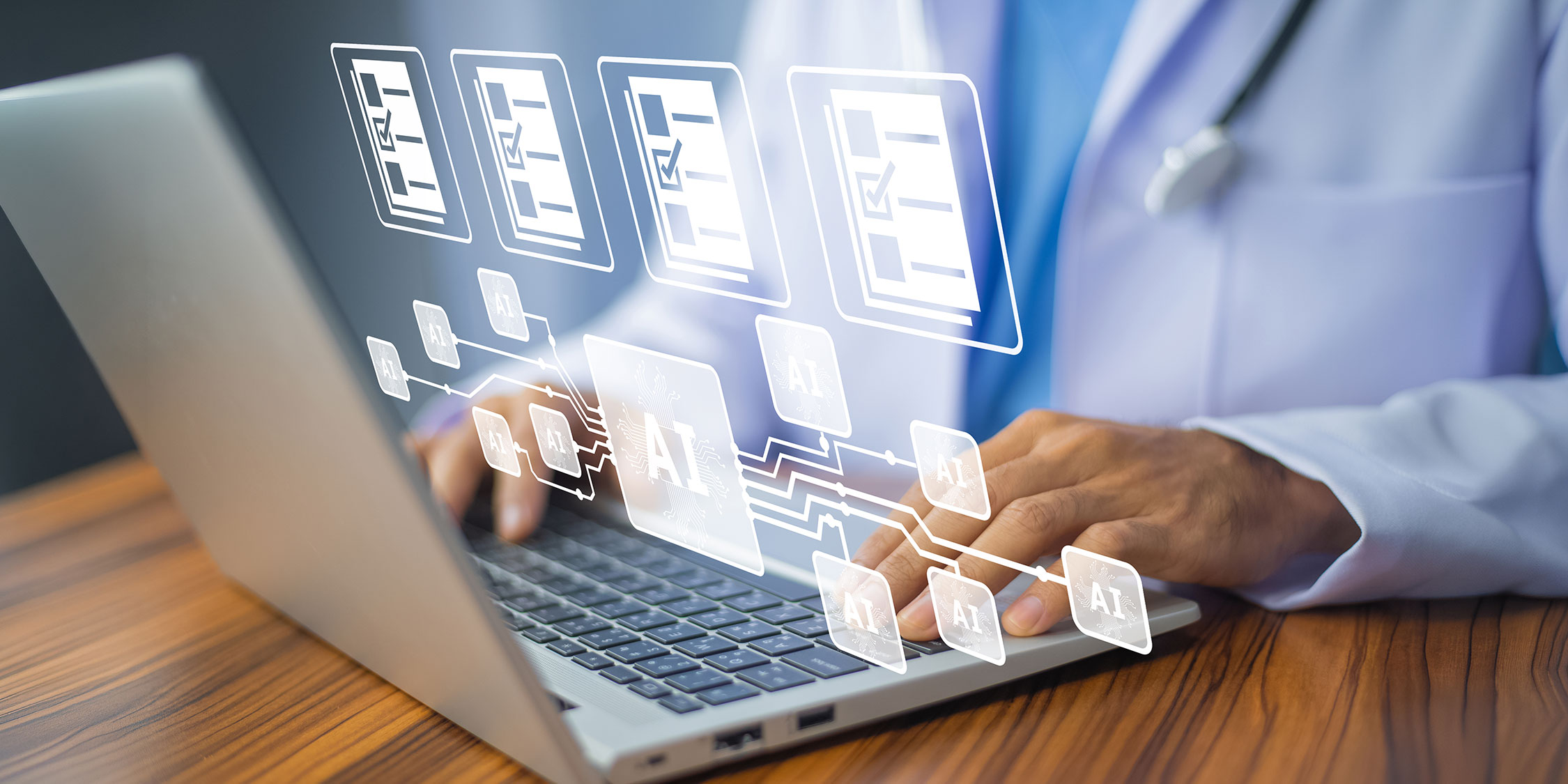
As the volume and complexity of healthcare data continue to grow, AI in translational research is emerging as a valuable enabler. By integrating disparate datasets, uncovering meaningful biological insights, and supporting evidence-based decision-making, AI has the potential to accelerate the path from scientific discovery to precision medicine, helping ensure that promising innovations reach patients more efficiently.
Understanding the Translational Gap
Translational research is the process of transforming scientific discoveries into practical applications that improve patient care. Often described as the journey from “bench to bedside,” it involves moving findings from laboratory research through preclinical studies, clinical trials, regulatory review, and ultimately into routine clinical practice.
While this pathway has led to remarkable medical advances, it is rarely straightforward. Every stage generates vast amounts of data—from genomic and proteomic analyses to clinical trial results, medical imaging, electronic health records (EHRs), and published scientific literature.
These datasets are often stored in separate systems, follow different standards, and are interpreted by multidisciplinary teams working across research institutions, healthcare organizations, and the pharmaceutical industry.
The challenge is not a lack of information but the difficulty of connecting and translating it into actionable insights. Researchers may identify promising therapeutic targets, but validating those discoveries in diverse patient populations requires time, collaboration, and access to integrated evidence. Similarly, clinicians need reliable, context-rich information to determine how emerging discoveries apply to individual patients.
As biomedical knowledge continues to expand, the translational gap is becoming increasingly driven by data complexity rather than data scarcity. Bridging this gap requires approaches that can integrate diverse sources of evidence, reveal meaningful biological relationships, and support informed decision-making across the entire research-to-care continuum.
Why Drug Discovery and Precision Medicine Often Operate in Silos
Although drug discovery and precision medicine share the common goal of improving patient outcomes, they have traditionally followed distinct paths. Drug discovery focuses on understanding disease mechanisms, identifying therapeutic targets, and developing new treatments through years of laboratory research and clinical evaluation.
Precision medicine, in contrast, focuses on tailoring those treatments to individual patients by considering their genetic profile, clinical history, biomarkers, lifestyle, and other health factors.
These differing priorities are reflected in the data each domain relies on. Drug discovery draws heavily from molecular biology, preclinical research, multi-omics studies, and scientific literature.
Precision medicine depends on real-world clinical data, electronic health records, diagnostic imaging, pathology reports, and patient outcomes. While each provides valuable insights, they are often managed in separate systems, analyzed using different methodologies, and shared across independent workflows.
This separation makes it difficult to translate scientific discoveries into clinical practice efficiently. A promising biomarker identified during early-stage research may take years to validate across diverse patient populations.
Likewise, valuable clinical observations that could inform future drug development may remain isolated within healthcare systems instead of contributing to ongoing research.
Closing this gap requires more than simply generating additional data. It calls for a connected approach that brings together research findings, clinical evidence, and patient-specific information into a unified framework.
By enabling these connections, researchers and clinicians can make more informed decisions and accelerate the journey from discovery to precision medicine.
How AI Is Transforming Translational Research
Artificial intelligence is changing the way researchers and clinicians work with biomedical data. Rather than replacing scientific expertise, AI enhances it by rapidly analyzing large, complex datasets, identifying meaningful patterns, and generating insights that would be difficult to uncover through manual analysis alone. In translational research, its greatest value lies in connecting information across the research-to-care continuum.
• Integrating Diverse Biomedical Data
One of the biggest challenges in translational research is bringing together data from multiple sources. Genomic and proteomic datasets, clinical trial results, electronic health records, medical imaging, pathology reports, and scientific literature all provide valuable insights, but they often exist in disconnected systems.
AI can help integrate these diverse data types into a unified knowledge framework, making it easier to explore relationships between diseases, biomarkers, therapies, and patient outcomes. By reducing data silos, researchers gain a more comprehensive view of disease biology and clinicians have access to richer evidence to support patient care.
• Accelerating Target Discovery and Validation
Identifying a promising therapeutic target is only the beginning of the drug development process. Researchers must validate whether that target is biologically relevant, clinically meaningful, and likely to improve patient outcomes.
AI can support this process by analyzing large-scale biological datasets, synthesizing evidence from published research, and identifying patterns that may warrant further investigation. These insights can help researchers prioritize the most promising hypotheses, streamline experimental design, and focus resources on candidates with stronger supporting evidence.
• Improving Clinical Trial Design and Patient Stratification
Clinical trials are essential for translating scientific discoveries into approved therapies, but identifying eligible participants and designing effective studies remain significant challenges.
By analyzing patient characteristics, biomarkers, and clinical histories, AI can help identify suitable patient populations, support biomarker-driven stratification, and improve cohort selection. Better trial design can contribute to more efficient recruitment, stronger clinical evidence, and a greater likelihood of evaluating therapies in the populations most likely to benefit.
• Supporting Evidence-Based Decision-Making
As biomedical knowledge continues to expand, researchers and clinicians face the challenge of interpreting an ever-growing body of evidence. AI can assist by organizing information from multiple sources, highlighting relevant connections, and presenting insights in a structured and explainable manner.
In healthcare, transparency is essential. AI systems that provide traceable, evidence-based recommendations can support informed decision-making while allowing experts to evaluate the underlying rationale. When combined with human expertise, these capabilities can strengthen collaboration across research and clinical teams, helping accelerate the translation of scientific discoveries into precision medicine.
The Future of Translational Research: Building a Connected Healthcare Ecosystem
The future of translational research depends on more than advances in individual technologies, it depends on creating a connected ecosystem where research, clinical practice, and real-world evidence continuously inform one another. As biomedical data continues to grow in volume and complexity, the ability to integrate and interpret that information will become increasingly important.
Knowledge-driven AI is expected to play a central role in this transformation. By combining artificial intelligence with structured biomedical knowledge, researchers can move beyond identifying patterns to understanding the biological relationships that underpin disease, treatment response, and patient outcomes. This approach can support more informed hypothesis generation, accelerate evidence synthesis, and enable greater collaboration across multidisciplinary teams.
At the same time, emerging innovations such as multimodal data integration, federated data ecosystems, and digital twins are expanding the possibilities for translational research. Together, these technologies can help researchers study diseases more comprehensively, evaluate therapies more effectively, and generate insights that are better aligned with real-world clinical practice.
Ultimately, the goal is not to replace scientific expertise but to strengthen it. By combining human knowledge with AI-driven insights, the healthcare community can accelerate the journey from discovery to clinical impact, bringing closer to routine care and improving outcomes for patients worldwide.

Build the future of
biology with us
Contact Us
Stay Ahead with
ThinkBio.Ai®
Subscribe to our newsletter to receive the latest updates on products, sustainability efforts and services.