


Integrated Spatial Omics Mapping
Aligns spatial proteomic and transcriptomic data to reveal molecular phenotypes at high spatial resolution.


About Our Platform
Why Use SpatiOmics.Ai®
Understanding how cells interact within their native tissue architecture is essential for uncovering mechanisms of disease progression, resistance, and therapeutic response. SpatiOmics.Ai® enables this by combining multiplexed protein marker analysis with spatially resolved gene expression profiling. By integrating these data layers at cellular resolution, the platform reconstructs molecular phenotypes, identifies disease-driving niches, and informs the development of targeted, spatially aware interventions.
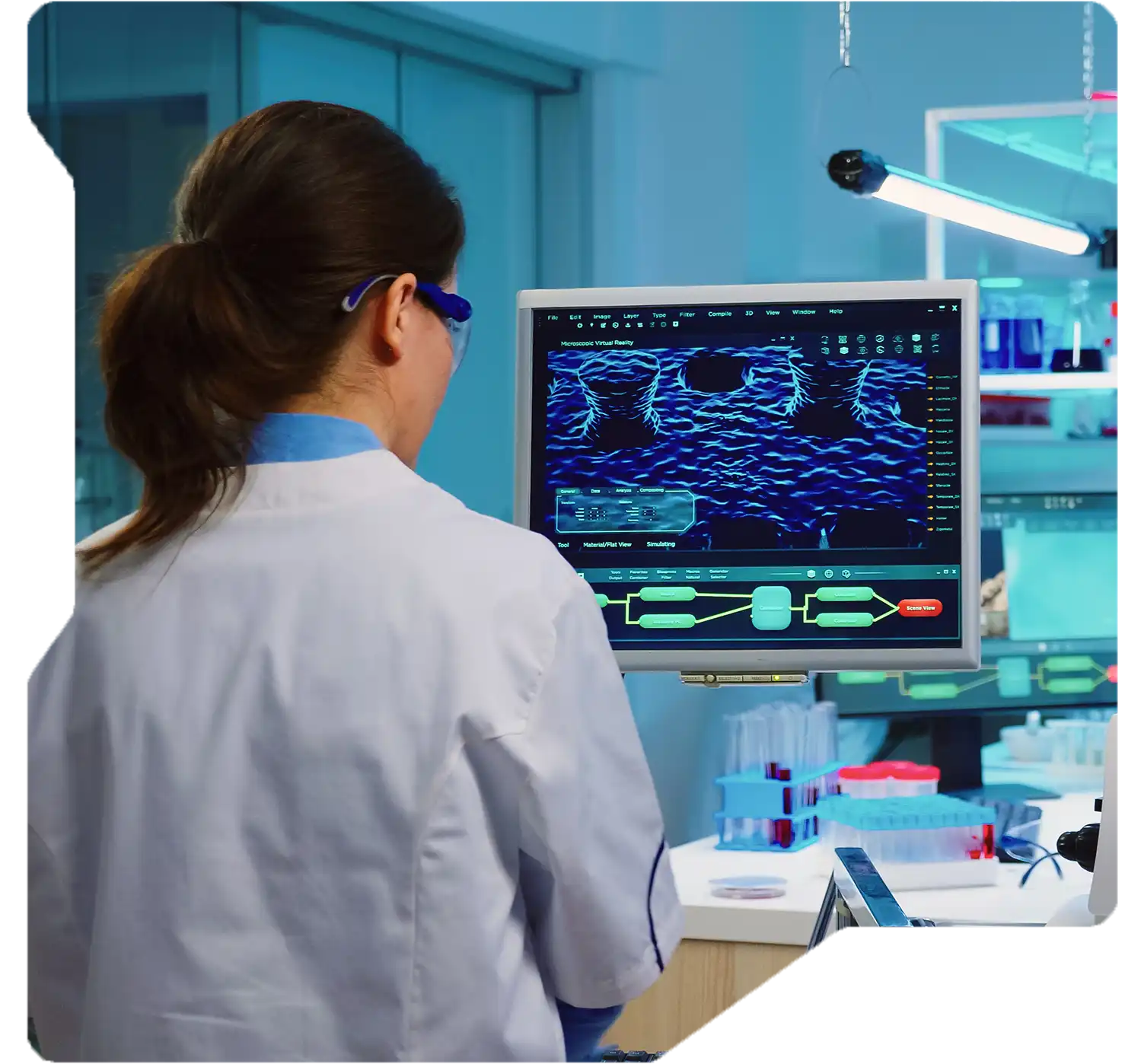
Aligns spatial proteomic and transcriptomic data to reveal molecular phenotypes at high spatial resolution.
Accurately segments cells and characterizes their states using multiplexed protein markers.
Pinpoints cellular neighbourhoods and microenvironments contributing to progression, resistance, or therapeutic response.
Guides development of treatments by linking spatial patterns to actionable biological insights.
Uses EVO2 to assess likelihood of genetic variants being disease-causing.
Captures transcriptomic signatures within the same spatial domain to enhance interpretation of cell functions.
Enables precise classification of tissue samples based on spatially resolved cellular and molecular features.
Stay Ahead with
ThinkBio.Ai®
Subscribe to our newsletter to receive the latest updates on products, sustainability efforts and services.