AI vs Manual Referral Systems: A Complete Comparison for Healthcare Providers
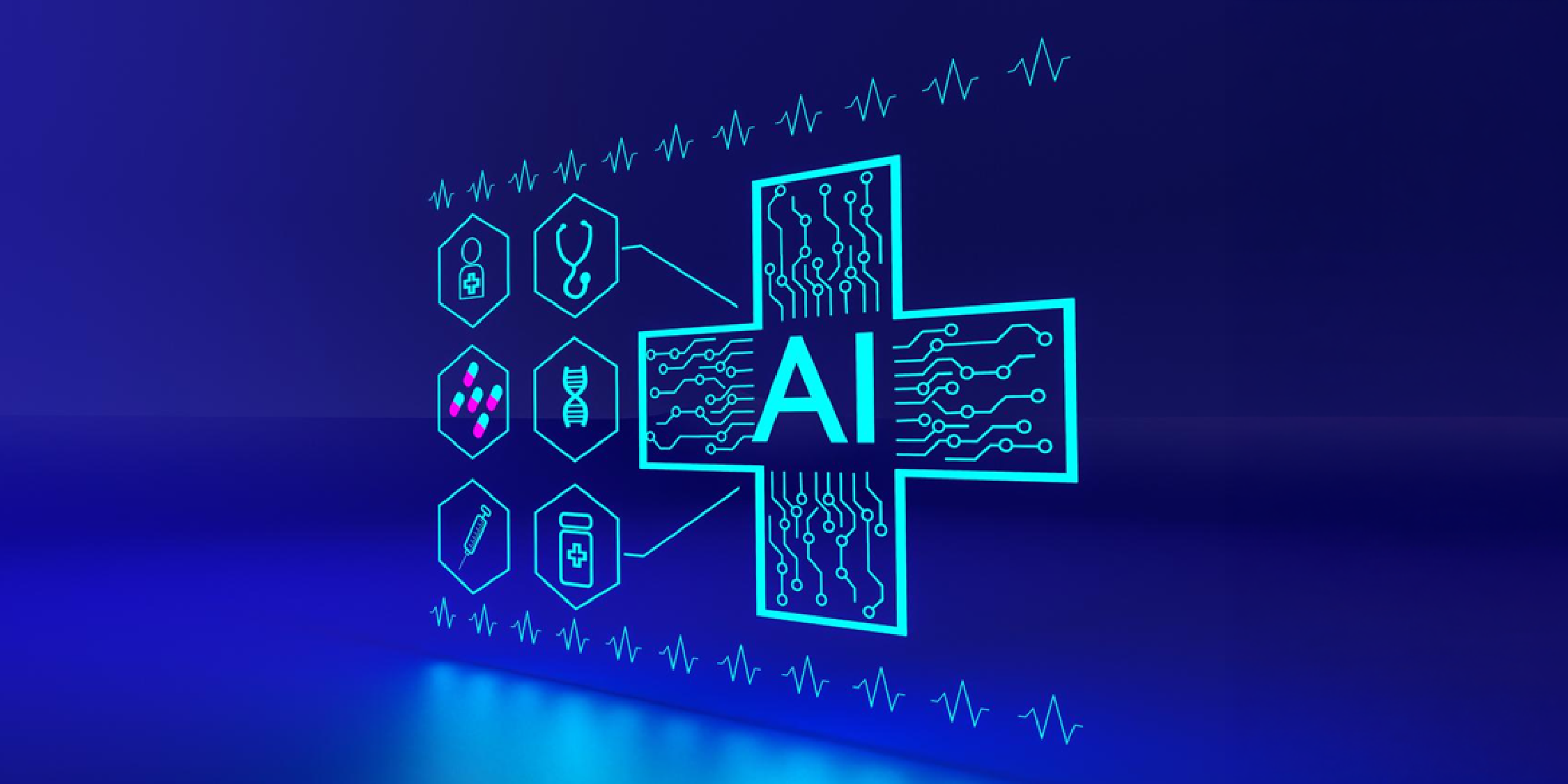
In the modern healthcare landscape, the referral process serves as the vital connective tissue ensuring patients move seamlessly from primary care to specialized treatment. However, as patient volumes increase and administrative burdens mount, the traditional methods of managing these transitions are reaching a breaking point.
This article explores the evolution from manual coordination to AI-powered automation, examining how providers can bridge the gap between human expertise and technological efficiency to improve patient outcomes and practice financial health.
What is a Referral Management System? How it works on healthcare?
At its core, a referral management system is a coordination framework designed to move patients to different physicians for further diagnosis, treatments, or specialized services.
While it may sound simple in theory, the reality of healthcare operations involves a high degree of complexity. A referral management system must facilitate clear communication between all stakeholders, including the referring physician, the specialist, the patient, and the payer.
The process typically begins when a Primary Care Physician (PCP) determines that a patient requires expertise beyond their scope. The system then manages the transition of that patient to a specialist. The scope of this management includes several critical operational tasks:
• Insurance Verification: Ensuring the specialist is in-network and the service is covered.
• Logistics & Scheduling: Coordinating appointment times that work for both the patient and the provider.
• Clinical Data Transfer: Ensuring the specialist has the necessary medical history and test results.
• Follow-up Coordination: Closing the loop by ensuring the PCP receives the specialist's findings.
Healthcare Referral Process Explained (Step-by-Step)
To understand why systems often fail, it is essential to break down the standard referral journey into its component parts:
Referral Creation: The PCP identifies a clinical need and generates a referral order within the Electronic Health Record (EHR) or on paper.
Documentation & Verification: Staff must gather clinical notes and perform insurance verification to confirm coverage and determine if a prior authorization is required.
Routing to Specialist: The referral is sent to a specialist based on clinical need, patient preference, and insurance network requirements.
Appointment Scheduling: Outreach is made to the patient to book the visit. This often requires multiple attempts across different communication channels.
Follow-up & Closure: After the visit, the specialist generates a consult note. The referral is only "closed" when this note is successfully routed back to the referring PCP's EHR.
Common Friction Points: Throughout this journey, several "friction points" can lead to systemic failure. Delays in insurance approval often stall the process for days or weeks. Communication gaps between offices lead to "lost" referrals, and a lack of tracking means that many providers have no visibility into whether a patient ever actually attended their appointment.
Manual Referral Systems in Healthcare
How Manual Referral Systems Work
For decades, healthcare organizations have relied on manual referral management. These systems are primarily human-driven, utilizing a combination of faxes, phone calls, emails, and physical spreadsheets to track patient movement. In this model, a dedicated referral coordinator acts as the "switchboard," manually inputting data from faxes into the EHR and calling insurance companies or specialist offices to confirm details.
Advantages
The primary benefit of a manual system is human judgment. Physicians and staff can leverage established relationships and clinical instinct to direct patients toward specific providers. This "human touch" allows for flexibility in complex cases where a standard algorithm might not account for a patient's unique social or clinical circumstances.
Limitations
Despite the value of human intuition, manual systems face severe structural limitations:
• Administrative Overload: Coordinators spend an average of 14 hours a week just on prior authorizations.
• High Error Rates: Manual data entry and fax-based communication are highly prone to transcription errors.
• Lack of Visibility: Once a referral is sent, it often "disappears" into a black hole; manual teams rarely have the capacity to track every outbound referral to completion.
• Patient Drop-offs: Without consistent, timely outreach, patients frequently fail to schedule their appointments, leading to high "leakage" rates.
Manual systems are inherently reactive, leading to delays, errors, and a total lack of visibility that can compromise patient care and practice revenue.
AI in Patient Referral Management
What is Automated Referral Management?
Automated referral management represents a fundamental shift from providing "better tools" for humans to utilizing AI agents that perform the tasks themselves. These systems use Natural Language Processing (NLP) to automatically "read" incoming faxes and extract clinical data directly into the EHR without human intervention.
An AI-Powered Clinical Guidance Platform enables proactive management by automating the most repetitive steps: intake, insurance verification, and patient outreach. Insight: Unlike traditional software that just organizes a queue, AI systems replace manual intervention by handling the routine steps of the workflow, allowing staff to focus only on complex exceptions.
How AI Improves Referral Workflows
AI-driven systems transform the referral journey by introducing speed and precision that human teams cannot match:
• Automated Data Extraction: AI reads incoming referral documents, extracts demographic and clinical data, and creates the patient chart in the EHR automatically.
• Intelligent Routing & Prior Auth: Systems can automatically query payers for real-time insurance verification and submit prior authorizations when documentation is sufficient.
• Real-time Tracking: AI agents "chase" consult notes and track appointment status in real-time, ensuring no patient falls through the cracks.
• Multilingual Outreach: Automated sequences via SMS, email, and voice outreach to patients in their preferred language to ensure scheduling happens immediately.
The Impact in Numbers:
• Up to 80% reduction in manual processing time for staff.
• 90–95% completion rates, compared to the 70–80% typical of manual or traditional software systems.
• ROI: For a practice processing 80 referrals a day, closing the completion gap can recover over $1 million in annual revenue.
Clinical Referral Software Comparison: What to Look For
When evaluating platforms, healthcare leaders should focus on a clinical referral software comparison based on operational outcomes rather than just features:
1. Automation Capabilities: Does the software require a human to click "start" for every task, or does it initiate fax reading and outreach automatically?
2. EHR Integration: Look for "EHR agnostic" solutions that work alongside your existing system without requiring complex data migrations.
3. Active Tracking: The system should actively confirm patient visits and retrieve consult notes rather than just providing a status field for a human to update.
4. Analytics & Reporting: Robust platforms provide deep insights into referral leakage, completion rates, and staff productivity.
5. Compliance: Any platform must be fully HIPAA compliant and ideally possess SOC 2 Type II certification to ensure data security.
When Should Healthcare Providers Move from Manual to AI?
Transitioning to AI automation is a strategic necessity when manual processes can no longer keep pace with organizational goals. Providers should consider moving to AI when they encounter these triggers:
• Increasing Referral Volume: When your coordinators are overwhelmed or backlogs are growing, you have reached the "throughput ceiling" of human labor.
• High Leakage Rates: If your practice is losing 20-30% of referred patients, you are losing significant revenue to administrative failure.
• Delayed Patient Care: If patients are waiting days just for a referral to be processed, clinical outcomes are at risk.
• Value-Based Care Requirements: In VBC contracts, active tracking and care gap closure are mandatory; manual systems often cannot provide the required level of documentation.
By adopting a hybrid approach where AI manages routine high-volume tasks and humans handle complex clinical judgment, healthcare organizations can restore staff capacity and ensure that every patient receives the care they need.